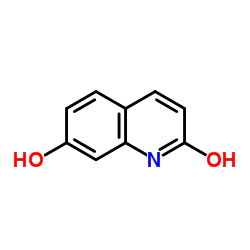
7-Hydroxy-1H-quinolin-2-one
- CAS No.70500-72-0
- GradeIndustrial / Pharmaceutical
- Availability● In Stock
High-purity 7-Hydroxy-1H-quinolin-2-one (CAS 70500-72-0), a key pharmaceutical intermediate for advanced CNS drug synthesis.
Request Bulk PricingProduct Technical Details
Product Overview
7-Hydroxy-1H-quinolin-2-one is a high-value heterocyclic organic compound widely utilized as a critical building block in modern pharmaceutical manufacturing. With the CAS registry number 70500-72-0, this molecule features a fused quinoline core substituted with hydroxyl and carbonyl functionalities at positions 7 and 2, respectively, conferring unique reactivity and selectivity in synthetic pathways. It serves as an essential intermediate in the production of complex central nervous system (CNS) therapeutics, including the atypical antipsychotic Brexpiprazole (CAS 913611-97-9).
Specifications
| Molecular Formula | C9H7NO2 |
|---|---|
| Molecular Weight | 161.16 g/mol |
| Appearance | White powder |
| Purity | ≥98.0% |
| Loss on Drying | ≤0.5% |
| Melting Point | 234–238°C |
| Density | 1.282 g/cm³ |
| Boiling Point | 403.7°C at 760 mmHg |
| Flash Point | 198°C |
| Refractive Index | 1.604 |
Industrial Applications
As a specialized intermediate, 7-Hydroxy-1H-quinolin-2-one plays a pivotal role in multi-step syntheses of neuropharmacological agents. Its structural motif enables efficient derivatization for structure-activity relationship (SAR) studies and scale-up campaigns under GMP-compliant conditions. The compound is not intended for direct therapeutic use but is strictly employed in controlled R&D and commercial API manufacturing environments.
Key advantages of our offering include:
- Consistent batch-to-batch quality with rigorous analytical validation (HPLC, NMR, MS)
- Compliance with international regulatory standards for chemical intermediates
- Optimized packaging and storage protocols to ensure stability during transit and warehousing
Handling and Storage
This product must be stored in a cool, dry, and well-closed container under refrigerated conditions (2–8°C). Protect from moisture, direct sunlight, and sources of heat or ignition. Use appropriate personal protective equipment (PPE) during handling in accordance with institutional safety guidelines.