Allyl Chloride
- CAS No.107-05-1
- GradeIndustrial / Pharmaceutical
- Availability● In Stock
High-purity Allyl Chloride (CAS 107-05-1) supplied for agricultural chemical synthesis. Reliable bulk sourcing with strict quality control.
Request Bulk PricingProduct Technical Details
Product Overview
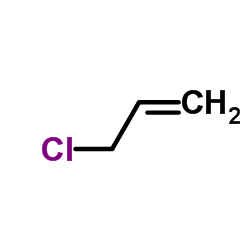
Allyl Chloride, chemically known as 3-Chloropropene, is a vital organochlorine compound serving as a foundational building block in the agrochemical and pharmaceutical industries. As a colorless to light yellow liquid with a distinct pungent odor, this substance is highly valued for its reactivity and versatility in organic synthesis. Our facility produces industrial-grade Allyl Chloride adhering to stringent international quality standards, ensuring consistency for downstream manufacturing processes.
We understand the critical nature of raw material purity in chemical synthesis. Therefore, our manufacturing process employs advanced distillation and purification techniques to achieve an assay of 98.0% or higher. This high level of purity minimizes side reactions during subsequent chemical transformations, optimizing yield and efficiency for our partners producing complex agricultural agents.
Technical Specifications
The following table outlines the key physical and chemical properties of our premium Allyl Chloride supply. These parameters are rigorously tested in our certified laboratories to guarantee compliance with safety and performance benchmarks.
| Parameter | Value |
|---|---|
| CAS Number | 107-05-1 |
| Molecular Formula | C3H5Cl |
| Molecular Weight | 76.525 g/mol |
| Appearance | Colourless to light yellow liquid |
| Assay | ≥98.0% |
| Density | 0.9±0.1 g/cm3 |
| Boiling Point | 41.6±9.0 °C at 760 mmHg |
| Melting Point | -136 °C |
| Flash Point | -28.9±0.0 °C |
| Moisture Content | ≤1.0% |
Industrial Applications
The primary utility of Allyl Chloride lies in its function as a key intermediate for the synthesis of various pesticides and pharmaceutical compounds. Notably, it is extensively used in the production of agricultural chemicals such as Molosultap and Cartap. These derivatives are essential for crop protection, highlighting the importance of a stable and high-quality supply chain for Allyl Chloride.
Beyond agrochemicals, this compound serves as a versatile reagent in organic synthesis, facilitating the introduction of the allyl group into molecular structures. Its reactivity allows for diverse chemical modifications, making it indispensable for research and development teams working on new functional materials and specialty chemicals. Our global manufacturing capacity ensures that we can meet the demands of large-scale industrial projects without compromising on quality.
Quality Assurance and Packaging
Quality control is embedded in every stage of our production workflow. Each batch undergoes comprehensive analysis, including gas chromatography and moisture testing, before release. We provide a Certificate of Analysis (COA) with every shipment, offering full transparency regarding the chemical composition and purity levels. This documentation is crucial for regulatory compliance and internal quality audits at our clients' facilities.
Regarding logistics, Allyl Chloride is packaged in secure 200 kg drums designed to prevent leakage and contamination during transit. We also offer flexible packaging solutions tailored to specific customer requirements, ensuring safe handling and storage. Our supply chain team coordinates global shipping, adhering to all hazardous material transport regulations to deliver products safely and on time.
Safety and Storage Guidelines
Allyl Chloride is a flammable liquid with a low flash point, requiring careful handling and storage. It should be stored in a cool, well-ventilated area away from sources of ignition and incompatible materials. Personnel handling this chemical must utilize appropriate personal protective equipment, including chemical-resistant gloves and eye protection, to prevent exposure. Proper ventilation is essential to avoid the accumulation of vapors, which can be hazardous. By following these safety protocols, industries can safely leverage the chemical potential of Allyl Chloride for their manufacturing needs.