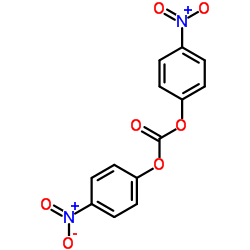
Bis(4-nitrophenyl) Carbonate
- CAS No.5070-13-3
- GradeIndustrial / Pharmaceutical
- Availability● In Stock
High-purity Bis(4-nitrophenyl) Carbonate (CAS 5070-13-3) serves as an efficient condensation reagent for organic synthesis. Available in bulk quantities with certified quality assurance.
Request Bulk PricingProduct Technical Details
Product Overview
Bis(4-nitrophenyl) Carbonate, frequently identified by its CAS registry number 5070-13-3, stands as a pivotal reagent in modern organic synthesis and pharmaceutical manufacturing. This specialized carbonate ester serves primarily as a highly effective condensation agent, facilitating the formation of carbamate linkages and activating hydroxyl groups for subsequent nucleophilic attacks. Our facility produces this compound under stringent quality control protocols to ensure consistent performance in sensitive chemical transformations.
As a derivative of carbonic acid, this molecule features two nitrophenyl groups that act as excellent leaving groups due to the electron-withdrawing nature of the nitro substituents. This chemical structure makes it superior for reactions requiring mild conditions while maintaining high reaction rates. It is particularly valued in the synthesis of complex pharmaceutical intermediates where precision and purity are paramount. The compound is stable under standard storage conditions but requires anhydrous environments during reactive processes to prevent hydrolysis.
Technical Specifications
We adhere to international standards for chemical manufacturing, providing comprehensive data for every batch. The following table outlines the key physical and chemical properties verified by our quality assurance team:
| Parameter | Value |
|---|---|
| Chemical Name | Bis(4-nitrophenyl) Carbonate |
| CAS Number | 5070-13-3 |
| Molecular Formula | C13H8N2O7 |
| Molecular Weight | 304.21 g/mol |
| Appearance | White to pale yellow crystal |
| Purity (HPLC) | ≥98.5% |
| Melting Point | 136-139°C |
| Density | 1.501 g/cm³ |
| Flash Point | 217.5°C |
| Refractive Index | 1.632 |
Industrial Applications
The versatility of Bis(4-nitrophenyl) Carbonate extends across multiple sectors within the chemical industry. Its primary application lies in the preparation of activated carbonates, which are essential for coupling reactions in peptide synthesis and polymer chemistry. Researchers utilize this reagent to introduce protecting groups or to link disparate molecular fragments with high fidelity.
- Pharmaceutical Intermediate Synthesis: Used extensively in the production of active pharmaceutical ingredients (APIs) requiring carbamate structures.
- Organic Chemistry Research: Serves as a reliable standard for investigating nucleophilic substitution mechanisms.
- Polymer Modification: Employed to functionalize polymer chains, enhancing material properties for specialized applications.
- Peptide Building Blocks: Facilitates the coupling of amino acids under mild conditions.
Quality Assurance and Packaging
Quality is the cornerstone of our manufacturing process. Each production lot undergoes rigorous testing using High-Performance Liquid Chromatography (HPLC) to confirm purity levels exceeding 98.5%. We provide a Certificate of Analysis (COA) with every shipment, ensuring transparency and compliance with your internal quality standards. Our laboratory equipment is calibrated regularly to maintain data integrity.
Standard packaging consists of 25 kg drums, designed to maintain product integrity during transit. However, we understand that diverse projects require flexible solutions. Therefore, we offer customized packaging options tailored to specific customer requirements. All packages are labeled according to global hazard communication standards, including UN number UN1987. We ensure secure logistics handling to prevent damage or contamination during global shipping.
Safety and Storage Guidelines
Proper handling is essential to maintain the stability of Bis(4-nitrophenyl) Carbonate. This substance is classified under Hazard Class 3, indicating flammable liquid-related hazards in certain contexts, though typically handled as a solid. It should be stored in a cool, well-ventilated area away from direct sunlight and moisture. Personnel should utilize appropriate personal protective equipment (PPE) when handling this material to prevent inhalation or skin contact. Our safety data sheets (SDS) are available upon request to ensure full compliance with occupational health and safety regulations. In case of spills, standard chemical containment procedures should be followed immediately.