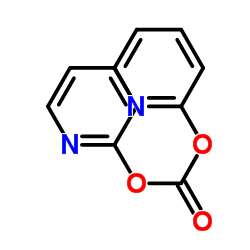
Di(pyridin-2-yl) Carbonate
- CAS No.1659-31-0
- GradeIndustrial / Pharmaceutical
- Availability● In Stock
High-purity Di(pyridin-2-yl) Carbonate serves as an efficient condensation reagent for organic synthesis and peptide coupling applications.
Request Bulk PricingProduct Technical Details
Product Overview
Di(pyridin-2-yl) Carbonate, frequently abbreviated as DPC, represents a highly specialized organic compound utilized extensively within the pharmaceutical and fine chemical industries. As a sophisticated condensation reagent, this material facilitates complex molecular formations with exceptional efficiency. Our manufacturing process ensures that every batch meets rigorous international standards for purity and consistency, making it an ideal choice for demanding synthetic pathways.
The compound is characterized by its stable crystalline structure and reliable reactivity profile. Chemists and process engineers value this reagent for its ability to activate carboxylic acids and promote amide bond formation without generating excessive side products. This capability is crucial in the synthesis of advanced pharmaceutical intermediates and specialized organic molecules where precision is paramount.
Technical Specifications
We maintain strict quality control protocols to guarantee the performance of Di(pyridin-2-yl) Carbonate in your production environment. The following table outlines the key physical and chemical parameters verified through our analytical laboratories.
| Parameter | Specification |
|---|---|
| CAS Number | 1659-31-0 |
| Molecular Formula | C11H8N2O3 |
| Molecular Weight | 216.19 g/mol |
| Appearance | White Crystal Powder |
| Purity (HPLC) | ≥98.0% |
| Melting Point | 90°C |
| Density | 1.307 g/cm3 |
| Boiling Point | 351.594°C |
Industrial Applications
The primary function of Di(pyridin-2-yl) Carbonate lies in its role as a condensation agent within organic synthesis. It is particularly effective in peptide coupling reactions, where it assists in linking amino acids to form larger peptide chains. This application is vital for the development of therapeutic peptides and protein-based pharmaceuticals.
Beyond peptide synthesis, this reagent is employed in the preparation of various heterocyclic compounds and functionalized organic structures. Its high reactivity allows for milder reaction conditions compared to traditional coupling agents, thereby reducing energy consumption and improving overall process safety. Researchers also utilize DPC in the modification of natural products and the creation of novel chemical libraries for drug discovery programs.
Safety And Storage
Handling Di(pyridin-2-yl) Carbonate requires adherence to standard laboratory safety protocols. The substance is classified under Hazard Class 6.1, indicating that it should be treated with care to avoid inhalation or skin contact. Personnel should wear appropriate personal protective equipment, including gloves and safety goggles, during handling operations.
For optimal preservation of quality, the product must be stored in a cool, ventilated environment away from direct sunlight and moisture sources. The packaging consists of durable drums capable of protecting the contents during transit. We recommend keeping the container tightly sealed when not in use to prevent degradation due to humidity exposure.
Quality Assurance
As a global manufacturer, we are committed to delivering products that exceed industry expectations. Each shipment of Di(pyridin-2-yl) Carbonate is accompanied by a comprehensive Certificate of Analysis (COA) detailing the test results for purity, identity, and physical properties. Our technical support team is available to assist with application guidance and troubleshooting to ensure successful integration into your manufacturing processes.