Dibutyl maleate
- CAS No.105-76-0
- GradeIndustrial / Pharmaceutical
- Availability● In Stock
Dibutyl Maleate is a high-purity organic intermediate used primarily in agrochemical synthesis and polymer modifications.
Request Bulk PricingProduct Technical Details
Product Overview
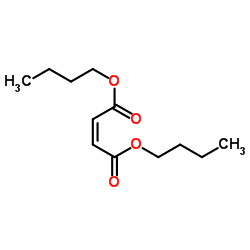
Dibutyl maleate stands as a critical organic ester within the realm of industrial chemical synthesis. Recognized by its CAS registry number 105-76-0, this compound serves as a versatile building block for various downstream applications. As a diester of maleic acid, it possesses unique reactivity profiles due to the presence of the carbon-carbon double bond conjugated with ester groups. Our facility ensures that every batch meets stringent quality control standards, making it an ideal choice for manufacturers requiring consistency and reliability in their production lines.
The chemical structure of Dibutyl maleate allows it to participate in a wide range of organic reactions, including polymerization and cross-linking processes. Its liquid state at room temperature facilitates easy handling and integration into continuous flow reactors or batch processing systems. We prioritize the production of this intermediate using advanced esterification techniques that minimize byproduct formation and maximize yield efficiency.
Physical and Chemical Properties
Understanding the physicochemical characteristics of Dibutyl maleate is essential for safe handling and optimal application performance. The compound typically presents as a colorless to light yellow liquid, depending on the specific purification level and storage conditions. It exhibits moderate density and a relatively high boiling point, which contributes to its stability during thermal processing steps.
The molecular formula C12H20O4 reflects its composition, with a molecular weight of approximately 228.29 g/mol. The flash point indicates that standard industrial safety protocols should be observed during storage and transportation. Furthermore, the low vapor pressure at ambient temperatures reduces the risk of inhalation exposure under normal operating conditions, although adequate ventilation is always recommended in manufacturing environments.
Industrial Applications
This intermediate finds extensive utility in the agrochemical sector, where it acts as a precursor for the synthesis of various protective agents. Beyond agriculture, Dibutyl maleate is valued in the polymer industry for modifying resin properties and enhancing material performance. It can serve as a plasticizer or a reactive diluent in specific coating formulations, improving flexibility and adhesion characteristics.
Researchers and process engineers also utilize this chemical in organic synthesis routes where the maleate functionality is required. Its compatibility with various catalysts and reaction conditions makes it a flexible tool for developing new chemical entities. Our team supports customers with technical data to ensure the material integrates seamlessly into their specific manufacturing processes.
Quality Specifications
We maintain rigorous quality assurance protocols to guarantee that our Dibutyl maleate meets or exceeds industry standards. The following table outlines the typical specification profile for our industrial grade product:
| Parameter | Specification |
|---|---|
| Appearance | Colorless to light yellow liquid |
| Assay (GC) | ≥97.0% |
| Isomers | ≤2.0% |
| Density | 1.0±0.1 g/cm3 |
| Boiling Point | 280.0±0.0 °C at 760 mmHg |
| Melting Point | -85°C |
| Flash Point | 136.4±18.2 °C |
Storage and Handling
To maintain product integrity, Dibutyl maleate should be stored in a cool, ventilated place away from direct sunlight and heat sources. Containers must be kept tightly closed when not in use to prevent contamination or moisture absorption. We offer flexible packaging options, including 200kg drums, and can accommodate custom packaging requirements based on logistical needs. Always refer to the Safety Data Sheet (SDS) for comprehensive handling instructions and emergency measures.