Dimethyldichlorosilane
- CAS No.75-78-5
- GradeIndustrial / Pharmaceutical
- Availability● In Stock
High-purity Dimethyldichlorosilane essential for silicone polymer synthesis, available in bulk with strict quality control.
Request Bulk PricingProduct Technical Details
Product Overview
Dimethyldichlorosilane serves as a pivotal monomeric building block within the modern organosilicon industry. This colorless transparent liquid is fundamentally utilized as a primary raw material for the production of various silicone polymers and intermediates. Our manufacturing process ensures exceptional purity levels, typically available in grades exceeding 99.5% and 99.8%, catering to the stringent requirements of advanced chemical synthesis. As a key chlorosilane, it undergoes hydrolysis to form cyclic siloxanes, which are the precursors for a vast array of silicone materials used globally.
Key Specifications
| Parameter | Specification |
|---|---|
| Appearance | Colorless transparent liquid |
| Purity Content | 99.5%, 99.8% |
| CAS Number | 75-78-5 |
| Dangerous Goods Class | Class 3 |
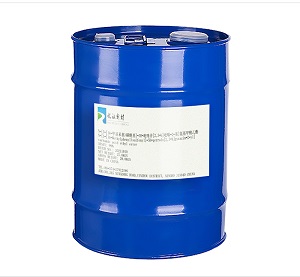
| Packaging | 200L Iron Drum (200Kg/Drum) |
Industrial Applications
The versatility of Dimethyldichlorosilane makes it indispensable for multiple downstream sectors. It is primarily employed in the synthesis of organosilicon intermediates such as D4 (Octamethylcyclotetrasiloxane) and DMC (Dimethyl Cyclosiloxane Mixture). These intermediates are further processed into silicone oil, silicone rubber, and silicone resin, which find applications in electronics, construction, automotive, and healthcare industries. Additionally, this chemical plays a critical role in the manufacture of high-strength, heat-resistant silicon carbide fibers, contributing to advanced material science and aerospace engineering developments.
Storage and Handling
Safety protocols are paramount due to the chemical reactivity of this product with moisture and air. It must be stored in a cool, ventilated, and dry environment, strictly kept away from fire and heat sources. Direct sunlight exposure should be avoided, and containers must remain sealed to prevent contact with atmospheric humidity. Mixing with oxidants, acids, or alkalis is strictly prohibited. During handling, operations should be conducted under a nitrogen atmosphere to maintain stability. Personnel must lightly load and unload packages to prevent damage to containers. Regular leak inspections are mandatory during storage periods. Transportation must follow prescribed hazardous material routes without unauthorized diversion.
Quality Assurance and Shelf Life
We maintain rigorous quality control standards to ensure consistency across all batches. The standard shelf life of this product is six months from the date of manufacture. Upon expiration, the material can be re-inspected according to standard indicators. If the inspection results meet the original technical requirements, the product remains suitable for industrial use. Our global supply chain ensures reliable logistics and timely delivery, supported by comprehensive documentation including Certificates of Analysis (COA) for every shipment.