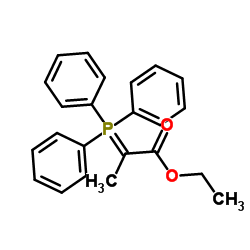
Ethyl 2-(triphenylphosphoranylidene)propionate
- CAS No.5717-37-3
- GradeIndustrial / Pharmaceutical
- Availability● In Stock
High-purity pharmaceutical intermediate used in the synthesis of complex therapeutic agents. Available in bulk quantities with strict quality control and comprehensive documentation.
Request Bulk PricingProduct Technical Details
Product Overview
Ethyl 2-(triphenylphosphoranylidene)propionate is a specialized organophosphorus compound widely recognized for its utility in advanced organic synthesis. As a stable phosphorus ylide derivative, this chemical serves as a critical building block in the construction of complex molecular architectures. Our facility produces this intermediate under stringent quality management systems to ensure consistency and reliability for pharmaceutical and research applications.
This compound is particularly valued in the fine chemical industry for its role in carbon-carbon bond formation processes. It acts as a key precursor in the manufacturing of various active pharmaceutical ingredients, including cardiovascular therapeutics. The high stability and reactivity profile make it an essential reagent for laboratories and production plants focused on multi-step synthesis routes.
Chemical Properties and Characteristics
The molecular structure of Ethyl 2-(triphenylphosphoranylidene)propionate features a phosphorus center bonded to three phenyl groups and an ester-functionalized ethylidene moiety. This configuration provides unique electronic properties that facilitate specific nucleophilic attacks during synthesis. The compound exhibits excellent thermal stability under standard storage conditions, maintaining its integrity over extended periods when handled correctly.
Physically, the material presents as a crystalline white powder with a distinct melting point range that confirms its high purity levels. The solubility profile allows for versatile usage in various organic solvents commonly employed in medicinal chemistry. Our manufacturing process optimizes the crystallization steps to minimize impurities, ensuring the final product meets the rigorous demands of downstream processing.
Specifications and Quality Assurance
We adhere to international standards for chemical manufacturing to guarantee product safety and efficacy. Each batch undergoes comprehensive analytical testing using advanced instrumentation such as HPLC, NMR, and mass spectrometry. The following table outlines the typical specifications for this product:
| Parameter | Specification |
|---|---|
| Chemical Name | Ethyl 2-(triphenylphosphoranylidene)propionate |
| CAS Number | 5717-37-3 |
| Molecular Formula | C23H23O2P |
| Molecular Weight | 362.40 g/mol |
| Appearance | White Powder |
| Purity | >99.0% |
| Moisture Content | <1.0% |
| Heavy Metals | <5 ppm |
| Melting Point | 158-162 °C |
Industrial Applications
The primary application of this intermediate lies in the synthesis of complex pharmaceutical agents. It is specifically utilized in the production pathway of certain cardiovascular medications, acting as a crucial synthon for introducing specific functional groups. Beyond pharmaceuticals, it finds use in the development of novel agrochemicals and specialty materials where precise molecular modification is required.
For process chemists, this reagent offers a reliable option for Wittig-type reactions and related transformations. Its consistent quality reduces the risk of batch failures during scale-up, making it a preferred choice for industrial manufacturing processes. We support our clients with technical data packages that assist in regulatory filings and process validation.
Storage and Handling
To maintain optimal quality, this product should be stored in a cool, dry environment away from direct sunlight and moisture. The recommended storage temperature is between 0°C and 6°C. Containers must remain tightly sealed when not in use to prevent exposure to atmospheric humidity, which could affect the stability of the phosphorus ylide structure.
Standard safety precautions for handling fine chemical powders should be observed. Personnel should wear appropriate personal protective equipment, including gloves and safety goggles, during transfer and weighing operations. In case of spillage, standard chemical cleanup procedures apply. We provide full safety data sheets with every shipment to ensure compliance with local occupational health and safety regulations.