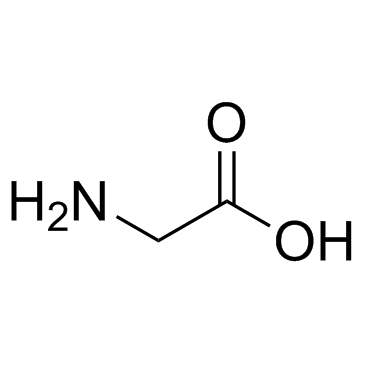
Glycine
- CAS No.56-40-6
- GradeIndustrial / Pharmaceutical
- Availability● In Stock
High-purity Glycine intermediate suitable for agrochemical and pharmaceutical synthesis with guaranteed quality specifications.
Request Bulk PricingProduct Technical Details
Product Overview
Glycine, identified by CAS number 56-40-6, stands as the simplest amino acid and a fundamental building block in the modern chemical industry. With a molecular formula of C2H5NO2 and a molecular weight of 75.07, this versatile compound serves as a critical intermediate in the synthesis of various agrochemicals, pharmaceuticals, and specialty chemicals. Our manufacturing facility produces high-purity Glycine designed to meet the rigorous demands of industrial synthesis processes. The compound is characterized by its exceptional stability, solubility, and reactivity, making it an essential precursor for complex organic transformations and large-scale production runs.
Physical and Chemical Properties
The physical characteristics of our Glycine ensure consistent performance in downstream applications. It appears as a white crystalline powder, indicating high levels of refinement and purity. The compound exhibits a density of 1.595 g/cm3 and a melting point of 240°C, reflecting its thermal stability during processing. With a boiling point of 233°C at 760 mmHg and a flash point of 145°C, it maintains safety standards during handling and storage. The refractive index of 1.461 further confirms the optical purity of the material, ensuring reliability in sensitive chemical reactions.
Technical Specifications
Quality control is paramount in our production process. We adhere to strict specifications to ensure that every batch meets international standards for industrial intermediates. The following table outlines the key quality parameters guaranteed for our Glycine supply:
| Parameter | Specification |
|---|---|
| Appearance | White crystalline powder |
| Purity | ≥99.0% |
| PH (5% in water) | 5.5~6.5 |
| Heavy metals (as Pb) | ≤0.002% |
| Loss on drying | ≤0.2% |
| Iron (as Fe) | ≤0.001% |
| Residue on ignition | ≤0.1% |
| Chloride (as Cl) | ≤0.007% |
| Ammonium (as NH4) | ≤0.02% |
| Sulphate (as SO4) | ≤0.006% |
| Lead (as Pb) | ≤0.001% |
| Arsenic (as As) | ≤0.0001% |
Industrial Applications
Our Glycine is primarily utilized as a key intermediate in the synthesis of Glyphosate (CAS 1071-83-6), one of the most widely used herbicides globally. Beyond agrochemicals, it serves as a vital component in pharmaceutical manufacturing, acting as a building block for various active pharmaceutical ingredients (APIs). Its high purity ensures minimal side reactions during synthesis, optimizing yield and reducing waste in large-scale production environments. Additionally, it finds applications in the production of specialty chemicals where precise stoichiometry is required. The material is compatible with a wide range of reagents, facilitating versatile synthetic routes.
Quality Assurance and Packaging
We implement a comprehensive quality assurance program that includes raw material inspection, in-process control, and final product testing. Each shipment is accompanied by a Certificate of Analysis (COA) to verify compliance with specified parameters. The product is packaged in 25kg cardboard drums, ensuring protection during transit. Custom packaging solutions are available upon request to suit specific logistical needs. For optimal stability, store in a cool and dry well-closed container, keeping away from moisture and strong light or heat sources. Our global distribution network ensures timely delivery to manufacturers worldwide, supporting continuous production schedules.
Safety and Handling
While Glycine is generally considered safe under normal conditions, standard industrial hygiene practices should be followed. Personnel handling the material should wear appropriate personal protective equipment (PPE), including gloves and safety goggles. The workspace should be well-ventilated to prevent dust accumulation. In case of contact with eyes or skin, rinse thoroughly with water. Our team provides detailed safety data sheets (SDS) with every order to ensure compliance with local regulations and workplace safety standards.