Hexamethylcyclotrisiloxane
- CAS No.541-05-9
- GradeIndustrial / Pharmaceutical
- Availability● In Stock
High-purity Hexamethylcyclotrisiloxane (98%) designed for efficient silicone polymerization, offering superior stability and reactivity for industrial rubber and oil production.
Request Bulk PricingProduct Technical Details
Product Overview
Hexamethylcyclotrisiloxane, frequently referred to as D3 in industrial contexts, represents a critical cyclic siloxane monomer essential for the synthesis of high-performance silicone polymers. As a foundational building block within the organosilicon chemistry sector, this compound facilitates the production of diverse silicone materials ranging from elastomers to fluids. Our manufacturing process ensures exceptional purity levels, making it an ideal choice for demanding applications where consistency and chemical reliability are paramount.
This specialized intermediate is engineered to support ring-opening polymerization processes, providing manufacturers with a reliable source material that meets stringent quality standards. Whether utilized in the creation of heat-resistant rubbers or low-temperature silicone oils, Hexamethylcyclotrisiloxane delivers the molecular precision required for advanced material science.
Key Chemical Properties
The distinct molecular structure of Hexamethylcyclotrisiloxane grants it superior reactivity profiles compared to linear siloxanes. This heightened reactivity allows for rapid polymerization under controlled conditions, often requiring only mild catalysts and moderate temperatures. Such characteristics optimize energy consumption during production while maintaining high conversion rates.
- Enhanced Stability: Exhibits robust thermal and chemical stability during storage and handling.
- Insulation Performance: Contributes excellent dielectric properties to final silicone products.
- Water Resistance: Imparts significant hydrophobic characteristics to synthesized polymers.
- Low Temperature Flexibility: Enables the production of silicone oils with depressed freezing points.
Industrial Applications
The versatility of this cyclic siloxane extends across multiple sectors within the polymer industry. It serves as a primary raw material for synthesizing methyl vinyl silicone rubber, where it enhances elasticity, wear resistance, and corrosion resistance. These traits are vital for automotive seals, medical devices, and industrial gaskets that must withstand harsh environmental conditions.
Furthermore, Hexamethylcyclotrisiloxane is instrumental in the formulation of silicone oils. Products derived from this intermediate demonstrate reduced surface tension and minimal viscosity changes across wide temperature ranges. This makes them suitable for lubricants, release agents, and personal care formulations where consistent performance is non-negotiable. It also acts as a precursor for various other polymer compounds, supporting innovation in material engineering.
Technical Specifications
| Parameter | Specification |
|---|---|
| Appearance | White crystalline powder |
| Purity (Content) | 98% Minimum |
| CAS Number | 541-05-9 |
| Reactivity | High (Polymerization Ready) |
| Classification | Non-dangerous Goods |
Packaging and Storage Guidelines
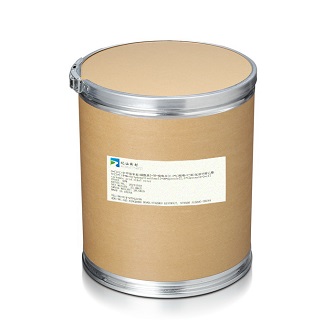
To maintain product integrity, Hexamethylcyclotrisiloxane is packaged in secure containers suitable for bulk transport. Standard options include 25Kg cardboard boxes for smaller batches or 170Kg iron drums for large-scale industrial requirements. All packaging is designed to prevent contamination and moisture ingress during transit.
Storage protocols require keeping the material in a cool, dry, and well-ventilated warehouse environment. It is imperative to store this chemical away from direct sunlight, open flames, and heat sources to prevent premature polymerization or degradation. Compatibility checks are essential; therefore, it must be stored separately from acids and edible chemicals. The storage area should be equipped with appropriate spill containment materials to ensure safety compliance. Under recommended conditions, the unopened product maintains a shelf life of one year, ensuring long-term usability for production planning.