Isonicotinic Acid
- CAS No.55-22-1
- GradeIndustrial / Pharmaceutical
- Availability● In Stock
Isonicotinic Acid is a high-purity pharmaceutical intermediate essential for synthesizing antihistamines and antitubercular agents. We offer bulk quantities with strict quality control.
Request Bulk PricingProduct Technical Details
Product Overview
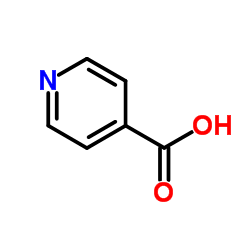
Isonicotinic Acid, also known scientifically as 4-Pyridinecarboxylic acid, stands as a critical building block in modern medicinal chemistry. With the CAS registry number 55-22-1, this organic compound serves as a foundational precursor for various high-value pharmaceutical formulations. Our facility specializes in the production of this key intermediate, ensuring that every batch meets rigorous international standards for purity and consistency. As a dedicated manufacturer, we understand the vital role this chemical plays in the synthesis of complex therapeutic agents.
The molecular structure of Isonicotinic Acid features a pyridine ring substituted with a carboxylic acid group at the fourth position. This specific arrangement imparts unique reactivity properties, making it indispensable for nucleophilic substitution reactions and coupling processes commonly found in drug discovery and development pipelines. Our commitment to excellence ensures that clients receive a product that facilitates efficient downstream synthesis.
Technical Specifications
Quality is the cornerstone of our manufacturing process. We employ advanced analytical techniques to verify the identity and purity of every lot. The following table outlines the standard specifications for our commercial grade Isonicotinic Acid. Custom specifications may be available upon request to meet specific project requirements.
| Parameter | Specification |
|---|---|
| Chemical Name | Isonicotinic Acid |
| CAS Number | 55-22-1 |
| Molecular Formula | C6H5NO2 |
| Molecular Weight | 123.11 g/mol |
| Appearance | White or light brown crystal or crystalline powder |
| Purity (HPLC) | ≥ 99.0% |
| Drying Loss | ≤ 0.5% |
| Residue on Ignition | ≤ 0.1% |
| Heavy Metals | ≤ 20 ppm |
| Melting Point | ≥ 300 °C |
Industrial Applications
The primary utility of Isonicotinic Acid lies in its role as a versatile intermediate within the pharmaceutical industry. It is extensively utilized in the synthesis of Fexofenadine hydrochloride, a widely prescribed second-generation antihistamine used to treat allergy symptoms. Furthermore, it serves as a crucial starting material for the production of Isoniazid, a first-line medication in the treatment and prevention of tuberculosis. The high purity of our product ensures minimal impurity carryover into the final active pharmaceutical ingredients (APIs).
Beyond these specific applications, this compound is valuable in the development of various heterocyclic compounds and agrochemicals. Researchers and process chemists rely on consistent quality to optimize reaction yields and reduce purification costs. Our supply chain is designed to support both large-scale commercial manufacturing and smaller-scale research and development initiatives.
Quality Assurance and Packaging
We maintain a robust quality management system to guarantee product integrity from synthesis to shipment. Each batch is accompanied by a comprehensive Certificate of Analysis (COA) detailing all test results. Our packaging solutions are designed to protect the material from environmental factors that could compromise stability.
- Standard packaging includes 25kg cardboard drums.
- Custom packaging configurations are available based on client logistics.
- All containers are sealed to prevent moisture ingress.
- Batch tracking ensures full traceability.
Storage and Handling
To maintain optimal quality, Isonicotinic Acid should be stored in a cool, dry, and well-ventilated area. Containers must remain tightly closed when not in use. It is essential to keep the material away from strong sources of light and heat, as well as incompatible substances. Proper personal protective equipment (PPE) should be worn during handling to ensure safety. By adhering to these storage guidelines, users can ensure the longevity and performance of the chemical in their specific applications.