N-Boc-L-Glutamic Acid Dimethyl Ester
- CAS No.59279-60-6
- GradeIndustrial / Pharmaceutical
- Availability● In Stock
High-purity N-Boc-L-Glutamic Acid Dimethyl Ester (CAS 59279-60-6) designed for pharmaceutical synthesis. Reliable supply for antiviral intermediate production with strict quality control.
Request Bulk PricingProduct Technical Details
Product Overview
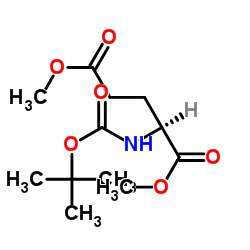
N-Boc-L-Glutamic Acid Dimethyl Ester is a critical protected amino acid derivative widely utilized in the pharmaceutical and fine chemical industries. As a key building block, this compound features a tert-butoxycarbonyl (Boc) protecting group on the amine functionality and methyl ester protection on the carboxylic acid groups. This specific configuration ensures high stability during complex organic synthesis reactions, making it an indispensable reagent for peptide coupling and the construction of sophisticated molecular architectures.
Our manufacturing facility produces this intermediate under stringent quality management systems to ensure consistency across batches. The compound is particularly valued for its role in the synthesis of advanced therapeutic agents, including specific antiviral pharmaceutical intermediates. By providing a robust and reactive scaffold, it enables chemists to efficiently develop novel drug candidates while maintaining stereochemical integrity throughout the synthesis pathway.
Technical Specifications
We adhere to rigorous analytical standards to guarantee the performance of our chemical products. Each batch undergoes comprehensive testing using high-performance liquid chromatography (HPLC) and nuclear magnetic resonance (NMR) spectroscopy. The following table outlines the key physical and chemical parameters associated with this product:
| Parameter | Specification |
|---|---|
| CAS Number | 59279-60-6 |
| Molecular Formula | C12H21NO6 |
| Molecular Weight | 275.30 g/mol |
| Purity | ≥99.0% |
| Appearance | White Powder |
| Density | 1.117 g/cm3 |
| Boiling Point | 370.9°C at 760 mmHg |
| Flash Point | 178.1±25.1°C |
| Refractive Index | 1.452 |
Industrial Applications
This protected glutamic acid derivative serves as a versatile intermediate in multiple sectors. Its primary application lies in the pharmaceutical industry, where it acts as a precursor for various bioactive molecules. The Boc group offers excellent protection against racemization during peptide bond formation, which is crucial for maintaining the biological activity of the final drug product. Additionally, the methyl ester groups can be selectively hydrolyzed or modified to introduce further functional diversity.
Beyond pharmaceuticals, this compound is utilized in the development of specialized organic materials and research chemicals. Its high purity profile makes it suitable for scale-up processes where impurity control is paramount. We support clients involved in the development of antiviral therapeutics and other complex small molecule drugs by providing a reliable supply chain for this essential building block.
Quality Assurance and Storage
Quality is the cornerstone of our manufacturing philosophy. We implement a multi-stage quality control process that includes raw material inspection, in-process monitoring, and final product verification. A Certificate of Analysis (COA) is provided with every shipment, detailing the specific test results for purity, identity, and physical properties. Our facility complies with international safety and environmental standards to ensure sustainable production practices.
Proper storage is essential to maintain the stability of N-Boc-L-Glutamic Acid Dimethyl Ester. The product should be kept in tightly closed containers to prevent moisture absorption and contamination. We recommend storing the material in a cool, dry, and well-ventilated area away from direct sunlight and incompatible substances. Under these conditions, the product retains its specified properties for an extended shelf life. Our packaging options include 25 kg drums, with custom packaging available to meet specific logistical requirements for global shipping.