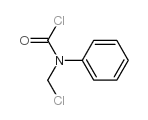
N-(Chloromethyl)-N-phenylcarbamoyl Chloride
- CAS No.52123-54-3
- GradeIndustrial / Pharmaceutical
- Availability● In Stock
High-purity N-(chloromethyl)-N-phenylcarbamoyl chloride (CAS 52123-54-3) designed for efficient Buprofezin synthesis. Reliable supply with strict quality control for global agricultural chemical manufacturers.
Request Bulk PricingProduct Technical Details
Product Overview
N-(Chloromethyl)-N-phenylcarbamoyl chloride serves as a critical building block in the modern agrochemical industry, specifically functioning as a key intermediate in the synthesis of Buprofezin. This specialized organic compound is engineered to meet the rigorous demands of large-scale pesticide manufacturing, ensuring high reaction efficiency and consistent downstream product quality. Our facility employs advanced chlorination and carbamoylation techniques to produce this reagent with exceptional purity profiles, catering to the needs of global chemical synthesizers who prioritize reliability and performance in their production lines.
The chemical structure features a reactive chloromethyl group attached to a phenylcarbamoyl backbone, providing the necessary reactivity for subsequent nucleophilic substitution reactions. This specific configuration is essential for constructing the complex molecular architecture required in effective insect growth regulators. By maintaining strict control over the synthesis parameters, we ensure that each batch delivers the precise stoichiometric balance needed for optimal yield in final active ingredient production.
Key Specifications
| Parameter | Specification |
|---|---|
| CAS Number | 52123-54-3 |
| Molecular Formula | C8H7Cl2NO |
| Molecular Weight | 204.05 g/mol |
| Appearance | White to light yellow crystalline powder |
| Melting Point | 45-46ºC |
| Assay (Purity) | ≥83.0% |
| Packaging | 25 kg/drum or customized |
Industrial Applications
The primary application of this compound lies in the manufacturing of Buprofezin, a widely used insecticide known for its effectiveness against Homoptera pests. As a precursor, N-(chloromethyl)-N-phenylcarbamoyl chloride undergoes specific transformation steps to integrate into the final pesticide molecule. The high assay level of our product minimizes impurity carryover, which is crucial for maintaining the biological efficacy and safety profile of the end product. Manufacturers utilizing this intermediate benefit from reduced waste generation and streamlined purification processes, ultimately lowering the total cost of production.
Beyond its direct role in pesticide synthesis, this chemical serves as a valuable reagent in various organic synthesis pathways where chloromethyl carbamoyl functionalities are required. Research and development teams in the agrochemical sector often utilize this material for developing next-generation crop protection solutions. The versatility of the compound allows for modifications that can lead to novel derivatives with enhanced environmental compatibility and targeted pest control capabilities.
Quality Assurance and Handling
Quality control is paramount in our manufacturing process. Every batch of N-(chloromethyl)-N-phenylcarbamoyl chloride undergoes rigorous testing using high-performance liquid chromatography (HPLC) and gas chromatography (GC) to verify purity levels and identify any potential contaminants. We provide a comprehensive Certificate of Analysis (COA) with every shipment, detailing all critical quality attributes to ensure full transparency and compliance with international standards. Our quality management system is designed to trace every step of the production lifecycle, guaranteeing consistency across all orders.
- Strict adherence to ISO quality management protocols.
- Advanced analytical testing for impurity profiling.
- Stable supply chain ensuring timely global delivery.
- Customized packaging solutions to meet specific logistics needs.
Proper storage and handling are essential to maintain the stability of this chemical. It should be stored in a cool, ventilated area away from direct sunlight and moisture to prevent hydrolysis of the acid chloride functionality. Containers must be kept tightly sealed when not in use. We recommend using appropriate personal protective equipment (PPE) during handling to ensure safety in the workplace. Our technical support team is available to provide detailed safety data sheets (SDS) and handling guidelines to assist our partners in maintaining a safe operational environment.