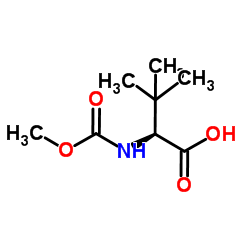
N-Methoxycarbonyl-L-tert-leucine
- CAS No.162537-11-3
- GradeIndustrial / Pharmaceutical
- Availability● In Stock
High-purity N-Methoxycarbonyl-L-tert-leucine is a critical pharmaceutical intermediate used in the synthesis of protease inhibitors. We offer bulk quantities with strict quality control and global logistics support.
Request Bulk PricingProduct Technical Details
Product Overview
N-Methoxycarbonyl-L-tert-leucine is a highly specialized chiral intermediate essential for the synthesis of complex pharmaceutical active ingredients. As a protected amino acid derivative, it plays a pivotal role in modern medicinal chemistry, particularly in the construction of peptidomimetic protease inhibitors. Our facility produces this compound under strict quality management systems to ensure consistent stereochemical integrity and high purity levels required for downstream drug manufacturing. The compound is designed to meet the rigorous demands of process chemistry where reproducibility and safety are paramount.
This compound features a tert-leucine backbone protected by a methoxycarbonyl group, offering superior stability during peptide coupling reactions compared to other protecting groups. The steric hindrance provided by the tert-butyl group makes it a valuable building block for introducing conformational constraints in drug molecules. This structural feature is critical for enhancing metabolic stability and bioavailability of the final therapeutic agents, allowing for optimized pharmacokinetic profiles in clinical applications.
Technical Specifications
| Parameter | Value |
|---|---|
| CAS Number | 162537-11-3 |
| Molecular Formula | C8H15NO4 |
| Molecular Weight | 189.21 g/mol |
| Appearance | White to off-white powder |
| Purity (HPLC) | ≥98.5% |
| Heavy Metals (Pb) | ≤20 ppm |
| Loss on Drying | ≤0.50% |
| Melting Point | 109°C |
| Boiling Point | 320.9°C at 760 mmHg |
Industrial Applications
The primary application of N-Methoxycarbonyl-L-tert-leucine lies in the pharmaceutical sector as a key starting material for antiviral and anticancer drugs. It is specifically utilized in the synthesis pathways of Atazanavir and its sulfate salt, which are critical protease inhibitors used in the treatment of HIV infections. The incorporation of this bulky amino acid derivative is essential for the binding affinity of the drug to the viral protease enzyme. Additionally, this intermediate serves as a crucial component in the manufacturing of Bortezomib, a proteasome inhibitor employed in chemotherapy for multiple myeloma and mantle cell lymphoma.
Chemists value this intermediate for its reliable reactivity and ease of handling during multi-step synthesis. The high optical purity ensures that the final API meets stringent regulatory requirements for chiral drugs, minimizing the risk of enantiomeric impurities that could affect safety profiles. Our production process is optimized to minimize racemization, ensuring that the L-configuration is preserved throughout the synthesis route.
Quality Assurance and Storage
- Each batch undergoes rigorous testing using high-performance liquid chromatography (HPLC) and nuclear magnetic resonance (NMR) to confirm identity and purity.
- Heavy metal content is monitored to comply with International Council for Harmonisation (ICH) Q3D guidelines for elemental impurities.
- Products are packaged in 25kg cardboard drums or customized containers upon request to ensure safety during transit.
- Storage requires a cool, dry environment in well-closed containers away from moisture and strong light to prevent degradation.
- We provide comprehensive documentation including Certificate of Analysis (COA), Material Safety Data Sheet (MSDS), and method validation reports.
Our commitment to excellence ensures that every shipment meets the exacting standards of global pharmaceutical manufacturers. With a robust supply chain and dedicated technical support, we facilitate seamless integration of this intermediate into your production processes. We offer flexible logistics solutions and maintain sufficient inventory to support both pilot-scale research and commercial-scale manufacturing needs.