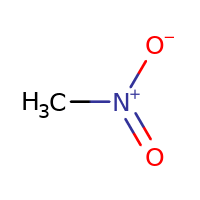
Nitromethane
- CAS No.75-52-5
- GradeIndustrial / Pharmaceutical
- Availability● In Stock
High-purity nitromethane (≥98.0%) for use as a key chemical intermediate in industrial synthesis, particularly in the production of biocides like Bronopol.
Request Bulk PricingProduct Technical Details
Product Overview
Nitromethane (CAS 75-52-5) is a versatile organic compound widely employed as a critical building block in fine chemical and agrochemical manufacturing. Supplied as a clear, colourless liquid with a minimum assay of 98.0%, it serves primarily as an intermediate in the synthesis of specialty molecules, including the antimicrobial agent Bronopol (2-bromo-2-nitropropane-1,3-diol). Its high reactivity and solvating properties make it valuable across multiple industrial sectors.
Specifications
| Molecular Formula | CH₃NO₂ |
|---|---|
| Molecular Weight | 61.04 g/mol |
| Appearance | Clear colourless liquid |
| Assay | ≥98.0% |
| Density | 1.1 ± 0.1 g/cm³ |
| Boiling Point | 85.1 ± 3.0 °C at 760 mmHg |
| Melting Point | -29 °C |
| Flash Point | 35.0 ± 0.0 °C |
| Vapour Density | 2.1 (vs air) |
| Vapour Pressure | 78.6 ± 0.1 mmHg at 25 °C |
| Refractive Index | 1.358 |
Industrial Applications
Nitromethane is predominantly utilized as a synthetic intermediate in the production of biocides, pharmaceuticals, and specialty chemicals. Its primary application includes serving as a precursor in the manufacture of Bronopol, a broad-spectrum antimicrobial used in personal care formulations and industrial water systems. Additionally, it functions as a polar aprotic solvent in select organic reactions and as a performance additive in niche fuel applications—strictly within legal and regulated industrial contexts.
- Key intermediate for Bronopol synthesis
- High-purity grade suitable for controlled chemical processes
- Compatible with standard industrial handling protocols when safety guidelines are followed
Handling and Storage
Store in a cool, well-ventilated area away from heat, sparks, and open flames due to its low flash point. Keep container tightly closed and grounded during transfer to prevent static discharge. Use appropriate PPE, including chemical-resistant gloves and eye protection, in accordance with local regulatory requirements.