Phenyltrichlorosilane
- CAS No.98-13-5
- GradeIndustrial / Pharmaceutical
- Availability● In Stock
High-purity Phenyltrichlorosilane (CAS 98-13-5) designed for industrial silicone synthesis. Reliable supply for global manufacturing needs.
Request Bulk PricingProduct Technical Details
Product Overview
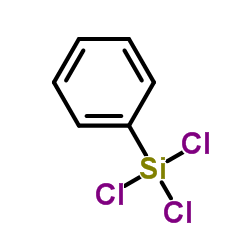
Phenyltrichlorosilane is a premier organosilicon compound widely recognized for its exceptional reactivity and versatility in industrial chemical synthesis. As a key building block, it serves as a critical intermediate in the production of high-performance silicone resins, cross-linking agents, and surface modification materials. Our manufacturing process ensures superior purity levels, making it an ideal choice for demanding applications where consistency and chemical stability are paramount. This compound features a phenyl group attached to a silicon atom with three chlorine substituents, facilitating hydrolysis and condensation reactions essential for polymer formation.
We prioritize quality assurance throughout the production lifecycle. Each batch undergoes rigorous analytical testing to confirm compliance with international standards. The material is supplied in secure packaging to maintain integrity during transit, ensuring that customers receive product in optimal condition for immediate use in their synthesis protocols. Our facility adheres to strict environmental management systems, minimizing waste and ensuring sustainable production practices that align with global corporate responsibility goals.
Technical Specifications
Our Phenyltrichlorosilane meets strict physical and chemical property requirements. The following table outlines the key parameters verified through gas chromatography and physical analysis.
| Parameter | Specification |
|---|---|
| Appearance | Colorless transparent liquid |
| CAS Number | 98-13-5 |
| Molecular Formula | C6H5Cl3Si |
| Molecular Weight | 211.55 g/mol |
| Purity (GC) | ≥99.0% |
| Density | 1.321 g/cm³ |
| Boiling Point | 201°C |
| Flash Point | 91°C |
Industrial Applications
This organosilicon intermediate is extensively utilized across multiple sectors including coatings, adhesives, and advanced materials manufacturing. Its primary function involves acting as a cross-linker in silicone resin systems, enhancing thermal stability and mechanical strength. In the electronics industry, it contributes to the formulation of encapsulants and insulating materials. Additionally, it serves as a precursor for synthesizing phenyl-containing siloxanes, which offer improved refractive index properties for optical applications. The compound's ability to react with moisture allows for the creation of durable protective coatings on various substrates.
Manufacturers value this product for its reliable performance in batch processes and continuous flow reactions. It integrates seamlessly into existing production lines designed for silane chemistry, offering a cost-effective solution for scaling up silicone-based product lines. Our technical team supports clients in optimizing formulation ratios to achieve desired curing times and final material properties. Key benefits include:
- Enhanced thermal stability
- Superior adhesion properties
- Consistent batch quality
Specific uses include high-temperature resistant paints, electrical insulation varnishes, and as a modifying agent for organic polymers to enhance weatherability.
Storage and Safety Guidelines
Proper handling is essential due to the reactive nature of chlorosilanes. Phenyltrichlorosilane should be stored in a cool, ventilated area away from moisture and incompatible substances such as strong oxidizers or bases. Containers must remain tightly sealed to prevent hydrolysis which releases hydrogen chloride gas. Personnel should utilize appropriate personal protective equipment including chemical-resistant gloves and eye protection during handling. In case of spillage, neutralize with suitable absorbents and follow local environmental regulations for disposal. We provide comprehensive safety data sheets with every shipment to ensure workplace compliance and operator safety. Packaging options include standard drums or customized containers based on volume requirements, all labeled with appropriate hazard warnings. Regular inventory rotation is recommended to ensure fresh stock is utilized first. Emergency response procedures should be clearly posted in storage areas.