Pivaloyl chloride
- CAS No.3282-30-2
- GradeIndustrial / Pharmaceutical
- Availability● In Stock
High purity Pivaloyl chloride (CAS 3282-30-2) is a versatile acylating agent used extensively in pharmaceutical and pesticide intermediate synthesis.
Request Bulk PricingProduct Technical Details
Product Overview
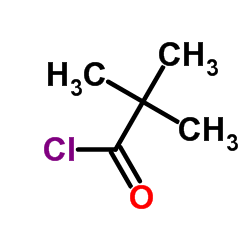
Pivaloyl chloride, also known scientifically as 2,2-Dimethylpropanoyl chloride, is a highly reactive organic compound belonging to the acyl chloride family. With the CAS registry number 3282-30-2, this chemical serves as a critical building block in modern organic synthesis. It is characterized by its bulky tert-butyl group, which imparts unique steric properties useful in protecting group chemistry and the formation of stable amides or esters. Our facility produces this compound under strict quality control standards to ensure consistency for industrial and research applications.
As a leading global manufacturer, we understand the importance of reliability in the supply chain. Pivaloyl chloride is moisture-sensitive and requires careful handling, but when stored correctly, it provides exceptional performance in acylation reactions. The compound is widely recognized for its utility in introducing the pivaloyl protecting group, which is robust under various reaction conditions yet can be removed when necessary.
Specifications and Physical Properties
We maintain rigorous testing protocols to guarantee that every batch meets or exceeds industry standards. The following table outlines the key physical and chemical parameters associated with our premium grade Pivaloyl chloride.
| Parameter | Specification |
|---|---|
| CAS Number | 3282-30-2 |
| Molecular Formula | C5H9ClO |
| Molecular Weight | 120.58 g/mol |
| Appearance | Colorless to light yellow liquid |
| Purity (Assay) | ≥99.0% |
| Boiling Point | 107.2±8.0 °C at 760 mmHg |
| Density | 1.0±0.1 g/cm3 |
| Flash Point | 8.9±0.0 °C |
| Refractive Index | 1.417 |
| Impurity Profile | Pivalic acid ≤0.5%, Anhydride ≤0.5% |
Industrial Applications
The versatility of Pivaloyl chloride makes it indispensable across multiple sectors of the fine chemical industry. Primarily, it functions as a key intermediate in the pharmaceutical sector. It is utilized in the synthesis of various antibacterial agents, including cephalosporin derivatives such as Cefalexin and Cefazolin. The steric bulk of the pivaloyl group often enhances the metabolic stability of the resulting drug molecules.
Beyond pharmaceuticals, this compound plays a significant role in agrochemical production. It serves as a precursor in the manufacturing of specific pesticides and herbicides, contributing to the development of effective crop protection solutions. Additionally, Pivaloyl chloride is employed in polymer chemistry as an initiator or modifier, aiding in the creation of specialized polymers with tailored properties. It is also found in the production of photosensitive materials and oxidation initiators like TBPP.
- Pharmaceutical intermediates for antibiotics and APIs.
- Agrochemical synthesis for pesticides and herbicides.
- Polymerization initiators and modifiers.
- Production of photosensitive materials.
- Organic synthesis reagent for amides and esters.
Quality Assurance and Packaging
Quality is the cornerstone of our manufacturing process. Each production lot undergoes comprehensive analysis using advanced chromatography and spectroscopy methods. We provide a Certificate of Analysis (COA) with every shipment to verify purity and composition. Our packaging is designed to maintain product integrity during transit. Standard packaging includes 25kg drums, sealed to prevent moisture ingress. Custom packaging solutions are available upon request to meet specific logistical requirements.
For storage, we recommend keeping the container tightly closed in a cool, dry, and well-ventilated area. Due to its reactivity with water, proper safety measures should be implemented during handling to prevent hydrolysis. Our team offers technical support to assist with integration into your specific synthesis routes, ensuring optimal results for your downstream processes.