Trichloro(dichloromethyl)silane
- CAS No.1558-24-3
- GradeIndustrial / Pharmaceutical
- Availability● In Stock
High-purity Trichloro(dichloromethyl)silane (CAS 1558-24-3) designed for advanced organosilicon synthesis. Reliable supply for industrial scaling.
Request Bulk PricingProduct Technical Details
Product Overview
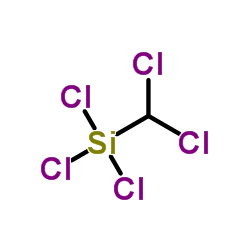
Trichloro(dichloromethyl)silane represents a critical component in the realm of advanced organosilicon chemistry. As a highly reactive chlorosilane derivative, this compound serves as an essential building block for the synthesis of complex silicone polymers and specialized functional silanes. Our manufacturing process ensures exceptional consistency and purity, making it an ideal choice for research laboratories and large-scale industrial production facilities alike. The chemical structure features a central silicon atom bonded to three chlorine atoms and one dichloromethyl group, providing unique reactivity profiles suitable for various substitution reactions.
In the competitive landscape of chemical intermediates, quality assurance is paramount. We adhere to strict international standards to guarantee that every batch meets the specified purity thresholds. This commitment to excellence supports downstream manufacturers in achieving reliable reaction yields and minimizing impurities in final products. Whether utilized in the development of new materials or the optimization of existing formulations, this silane derivative offers the performance stability required for demanding applications.
Technical Specifications
Understanding the physical and chemical properties of Trichloro(dichloromethyl)silane is vital for safe handling and effective utilization. The compound is characterized by its distinct liquid state at room temperature and specific thermodynamic properties that influence storage and transport conditions. Below is a detailed breakdown of the key parameters verified through our quality control laboratories.
| Parameter | Specification |
|---|---|
| CAS Number | 1558-24-3 |
| Molecular Formula | CHCl5Si |
| Molecular Weight | 218.37 g/mol |
| Appearance | Colorless clear liquid |
| Purity (GC) | ≥97.0% |
| Density | 1.552 g/cm3 |
| Boiling Point | 144-146°C |
| Flash Point | 35°C |
| Refractive Index | 1.474 |
Industrial Applications
The versatility of this organosilicon intermediate opens doors to numerous industrial applications. Primarily, it functions as a precursor in the production of modified silanes used in surface treatment, adhesion promotion, and cross-linking agents. The high reactivity of the chlorosilane groups allows for efficient hydrolysis and condensation reactions, facilitating the creation of robust silicone networks.
- Synthesis of specialized organosilicon compounds for polymer modification.
- Production of intermediates for high-performance silicone rubber and resins.
- Utilization in chemical vapor deposition processes for coating applications.
- Research and development of novel silicon-based materials for electronics.
Our clients in the pharmaceutical and agrochemical sectors also leverage this compound for specific synthetic routes where silicon incorporation is necessary. The reliability of our supply chain ensures that production schedules are met without interruption, supporting continuous manufacturing operations globally.
Storage and Safety Handling
Proper storage and handling procedures are essential to maintain the integrity of Trichloro(dichloromethyl)silane. Due to its reactive nature, particularly with moisture, the compound must be stored in a cool, ventilated environment away from incompatible substances. Containers should remain tightly sealed when not in use to prevent hydrolysis and the release of hydrogen chloride gas.
We recommend using appropriate personal protective equipment during handling, including chemical-resistant gloves and eye protection. In case of spills, neutralize with suitable agents and ensure adequate ventilation. Our packaging options include 280 kg drums, with custom configurations available to meet specific logistical requirements. By following these guidelines, users can ensure safety while maximizing the performance potential of this valuable chemical intermediate.