2-Bromoethyl Ethyl Ether
- CAS No.592-55-2
- GradeIndustrial / Pharmaceutical
- Availability● In Stock
High-purity 2-Bromoethyl ethyl ether (CAS 592-55-2), a versatile halogenated ether widely used as an organic synthesis intermediate in pharmaceutical and agrochemical manufacturing.
Request Bulk PricingProduct Technical Details
Product Overview
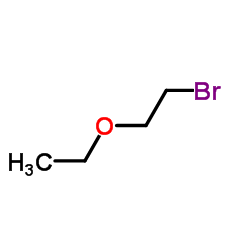
2-Bromoethyl ethyl ether (CAS 592-55-2) is a halogenated aliphatic ether valued for its reactivity in carbon-chain extension and functional group transformation. With the molecular formula C4H9BrO and a molecular weight of 153.02 g/mol, this compound serves as a critical building block in multi-step organic syntheses, particularly in the preparation of complex pharmaceutical intermediates and specialty chemicals.
Specifications
| Molecular Formula | C4H9BrO |
|---|---|
| Molecular Weight | 153.02 g/mol |
| Density | 1.357 g/cm³ |
| Melting Point | -57°C |
| Boiling Point | 149–150°C |
| Flash Point | 70°F (21°C) |
| Refractive Index | 1.445 |
| Appearance | Colorless to brown transparent liquid |
| Assay | ≥98.0% |
| Moisture | ≤0.2% |
Industrial Applications
As a reactive alkylating agent, 2-bromoethyl ethyl ether is primarily employed in research and industrial-scale organic synthesis. Its utility stems from the labile bromine atom, which facilitates nucleophilic substitution reactions, enabling the construction of ether-linked molecular architectures. Key application areas include:
- Synthesis of heterocyclic compounds in medicinal chemistry
- Preparation of quaternary ammonium salts and phase-transfer catalysts
- Intermediate in the production of surfactants and polymer modifiers
- Building block for advanced organic synthesis in agrochemical R&D
Due to its flammability and reactivity, it must be handled under inert atmosphere and stored in a cool, well-ventilated area away from heat sources and incompatible materials.
Packaging and Handling
Standard packaging is 200 kg per steel drum, with custom packaging available upon request. Comprehensive documentation including Certificate of Analysis (COA), Safety Data Sheet (SDS), and regulatory support is provided to ensure seamless integration into GMP-compliant manufacturing workflows.