Sodium Hypophosphite
- CAS No.7681-53-0
- GradeIndustrial / Pharmaceutical
- Availability● In Stock
High-purity Sodium Hypophosphite serving as a critical reducing agent for electroless nickel plating and pharmaceutical synthesis applications.
Request Bulk PricingProduct Technical Details
Product Overview
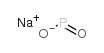
Sodium Hypophosphite is a versatile inorganic compound widely recognized for its exceptional reducing properties and stability in various industrial environments. Chemically defined as Sodium phosphinate, this substance presents as odorless white crystals with a molecular formula of NaO2P. Our manufacturing process ensures high purity levels, making it an ideal choice for demanding applications in the pharmaceutical sector and surface treatment industries. The compound is valued for its ability to act as a potent reducing agent while maintaining safety and consistency in large-scale operations.
Key Specifications
Quality control is paramount in the production of fine chemicals. Our Sodium Hypophosphite undergoes rigorous analysis to meet strict factory standards. The following table outlines the critical parameters verified during our quality assurance process:
| Items of Analysis | Standard of Analysis | Test Results |
|---|---|---|
| Appearance | Like fluidized sand | Conform |
| Assay | ≥102% | 103.32% |
| Na2HPO3 | ≤0.5% | 0.426% |
| Ca | ≤40 ppm | 12 ppm |
| SO4 | ≤200 ppm | 31 ppm |
| As | ≤1 ppm | 0.14 ppm |
| Fe | ≤2 ppm | 0.32 ppm |
| Cl | ≤100 ppm | 18 ppm |
| Pb | ≤1 ppm | 0.09 ppm |
| pH (5% in water) | 5.5-8.5 | 6.75 |
| Conclusion | Conforms to Factory Standard | |
Industrial Applications
The primary utility of Sodium Hypophosphite lies in its role as a reducing agent. In the surface finishing industry, it is indispensable for electroless nickel plating, where it facilitates the deposition of uniform nickel layers without the need for external electrical current. This application requires extremely low levels of metal impurities, such as iron and lead, which our product consistently delivers.
Within the pharmaceutical industry, this chemical serves multiple functions including use as a preservative and antioxidant. It is specifically applied in cod liver oil emulsions and acts as a reagent for arsenic and iodate testing. Furthermore, it supports clinical testing procedures and various organic synthesis routes where controlled reduction is necessary. The low arsenic content is particularly critical for compliance with health and safety regulations in medicinal manufacturing.
Storage and Handling
To maintain the integrity of Sodium Hypophosphite, proper storage conditions must be observed. The material is stable under normal conditions but is incompatible with strong oxidizing agents. Containers should remain tightly closed when not in use to prevent moisture absorption. We recommend storing the product in a cool, dry environment with a maximum temperature of 25 degrees Celsius. Protection from humidity is essential to prevent caking and ensure free-flowing properties during dispensing.
Quality Assurance
As a global manufacturer, we prioritize consistency and reliability. Every batch is accompanied by a Certificate of Analysis (COA) verifying compliance with specified limits for heavy metals and assay potency. Our commitment to industrial purity ensures that downstream processes, whether in plating baths or pharmaceutical formulations, proceed without interruption or contamination risks.